
Staying in the same apartment for more than a year typically saves you money on rent, moving costs, and fees, while also building a stronger relationship with your landlord and a more stable daily routine. Renewing a lease often qualifies you for a lower renewal rate than what new tenants pay, and it eliminates the cost of movers, deposits, and application fees that come with relocating. Beyond the financial upside, staying put gives you time to settle into a neighborhood, build consistency in your routine, and avoid the disruption that comes with packing up your life every twelve months. For most renters, the longer they stay, the more the benefits compound.
Residents of The Citizen see these benefits firsthand. Between the spacious floor plans, a downtown Salt Lake City address, modern finishes, and amenities designed for everyday life, it’s easy to understand why so many residents choose to renew instead of look elsewhere.
How Much Money Can I Save by Renewing My Lease?

The most immediate benefit of staying in the same apartment is financial. Moving isn’t free, and the costs add up quickly.
Typical one-time costs of moving to a new apartment:
| Expense | Typical Cost Range |
| Local movers (1-bedroom apartment) | $400 – $3,000 |
| Application/screening fees | $30 – $75 per applicant |
| New security deposit | One month’s rent (often) |
| Packing supplies and services | $250 – $900 |
| Utility setup/transfer fees | $50 – $200 |
| Lost time off work for moving day | Varies |
When you renew your lease instead of moving, all of these costs disappear. Many landlords also offer renewal incentives — a rent freeze, a smaller increase than new-lease pricing, a free month, or a small upgrade like new appliances or fresh paint — because retaining a reliable tenant is cheaper for them than turning over a unit. Turnover costs (cleaning, repainting, marketing the unit, and vacancy days with no rent coming in) mean many property managers would rather offer you a modest discount than find a new renter.
What Are the Financial Benefits of Staying Long-Term?

You Avoid “New Tenant” Pricing
Advertised rents for available units are often higher than what existing tenants pay after a renewal, since landlords price new listings to the current market. Renewing your lease can shield you from that jump, at least for another term.
You Skip Moving and Setup Costs Entirely
As shown above, a single move can easily cost several hundred to a few thousand dollars once you factor in movers, deposits, and fees. Staying put means that money stays in your pocket.
You Build a Track Record With Your Landlord
A consistent, on-time payment history can make it easier to negotiate lease terms, request maintenance priority, or get flexibility if you ever need it — like a short grace period or a mid-lease adjustment.
What Are the Lifestyle Benefits of Staying in One Place?

You Build Real Community
Staying in the same building or neighborhood for a year or more gives you time to get to know neighbors, regular staff at nearby businesses, and local routines. That kind of familiarity is hard to build in the first few months anywhere.
You Reduce Decision Fatigue and Stress
Moving involves dozens of small decisions — new address updates, new commute routes, new grocery stores, new internet providers. Staying in place removes all of that from your plate year after year.
You Get to Know the Apartment’s Quirks
Every unit has its own personality: which outlets work best, how the HVAC behaves in summer, where the best natural light is. Long-term renters get more value out of that knowledge than someone who just moved in.
Are There Any Downsides to Staying in the Same Apartment Too Long?
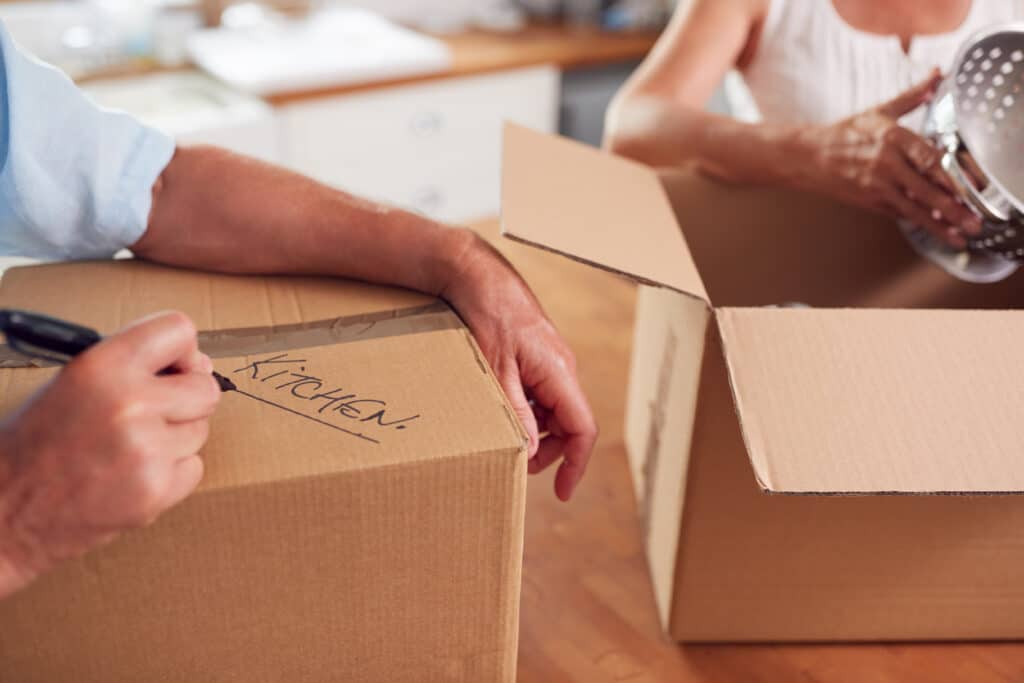
Staying long-term is usually a net positive, but it isn’t the right call for everyone. A few things worth weighing:
- Rent creep still happens. Renewal increases are typically smaller than new-lease pricing, but they aren’t zero.
- Your needs may change. A layout that worked for a single renter may not work as well after a job change, a new roommate, or a growing family.
- You may miss better deals elsewhere. Move-in specials at other properties can sometimes undercut even a good renewal rate, though the moving costs above often cancel out the savings.
- Negotiating leverage can fade if you’re not paying attention. Long-term tenants who never ask about renewal terms may end up paying more than they need to simply because they didn’t compare.
How Long Should I Stay Before Renewing Instead of Moving?
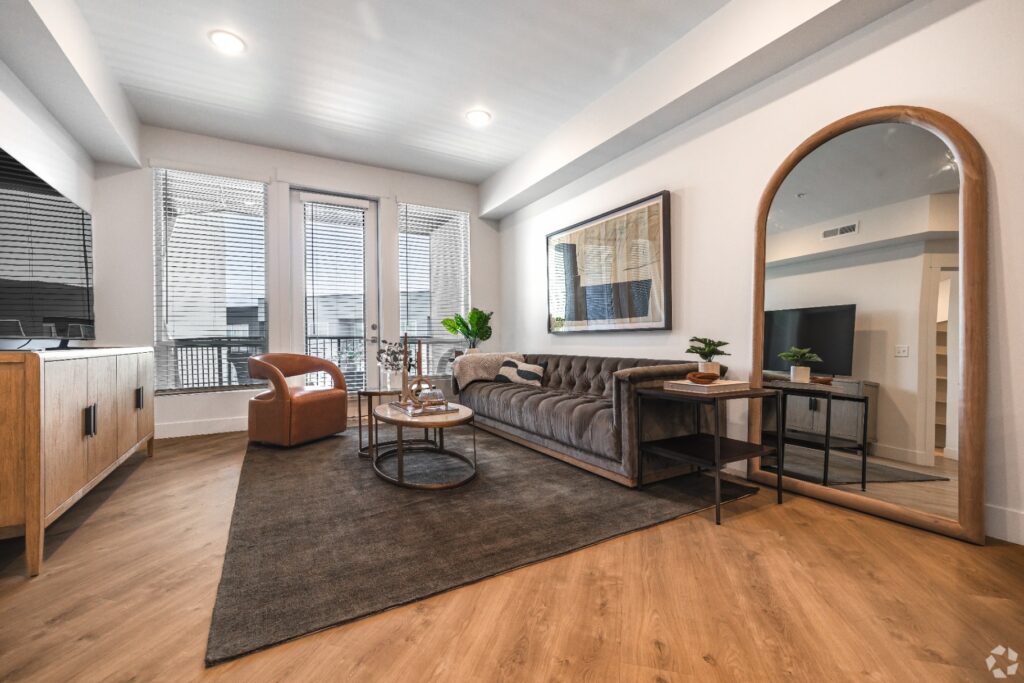
Most lease terms run 12 months, and one full year is generally considered the minimum to start seeing real savings from avoiding move-related costs. Staying two or more years compounds the benefit further, since you’re stacking multiple renewal periods without repeating any of the one-time costs of moving. As a general rule, if your current apartment still fits your needs and your rent increase is reasonable, renewing tends to be the more cost-effective choice.
Is It Worth Negotiating My Lease Renewal?
Yes. Even long-term tenants benefit from asking questions before signing a renewal. It’s reasonable to ask your property manager about:
- Whether the renewal rate is lower than the current market rate for new tenants
- Whether any incentives (free month, upgrade, waived fee) are available for renewing
- Whether a longer lease term (18 or 24 months) can lock in a better rate
- Whether any maintenance requests can be addressed as part of the renewal
A short, polite conversation before renewal season often results in better terms than simply accepting the first renewal offer that arrives in your inbox.
Should I Renew My Lease This Year?
Staying in the same apartment for more than a year almost always pays off financially and personally: you avoid the real cost of moving, you’re more likely to get renewal incentives, and you get more time to settle into a place and a neighborhood you already know. The main exception is when your apartment no longer fits your life. If your current place still works for you, a quick conversation about renewal terms is usually all it takes to make staying the smarter choice.
At The Citizen, we’d rather reward loyal residents than turn over a unit, which is why so many of our residents choose to renew year after year. If your current floor plan still fits your life, staying is usually the smarter move — and if your needs have changed, we likely have an option right down the hall.
Frequently Asked Questions
Does staying in the same apartment actually save you money?
Yes, staying in the same apartment saves money in most cases because it eliminates moving costs, deposits, and application fees, and it often qualifies you for a lower rate than new-tenant pricing.
Will my landlord lower my rent if I renew my lease?
Landlords don’t always lower rent, but many keep renewal increases smaller than new-lease rates or offer incentives like a free month or a waived fee, since retaining a tenant is cheaper than turning over a unit.
How much does it typically cost to move to a new apartment?
A local apartment move typically costs between $400 and $3,000, depending on apartment size, distance, and whether you hire full-service movers or handle it yourself, not including deposits or application fees at the new address.
Is it better to sign a 12-month or 24-month lease?
A longer lease term, such as 24 months, can sometimes lock in a lower monthly rate since it reduces turnover risk for the landlord, but it also limits your flexibility if your circumstances change.
What should I do if my renewal offer seems too high?
Ask your property manager directly whether the increase can be adjusted, whether any incentives are available, and how the offer compares to current new-tenant pricing before deciding to renew or look elsewhere.
Does staying long-term hurt my ability to negotiate?
Not if you stay engaged. Long-term tenants who ask about renewal terms and market comparisons each year are usually in a stronger negotiating position than tenants who simply accept whatever offer is sent.